



Steps for Brewing Tea in a Teapot
TEATIME NOTES
Find tips, recipes, and articles to increase your delight and enjoyment of tea.
Search
Steps for Brewing Tea in a Teapot

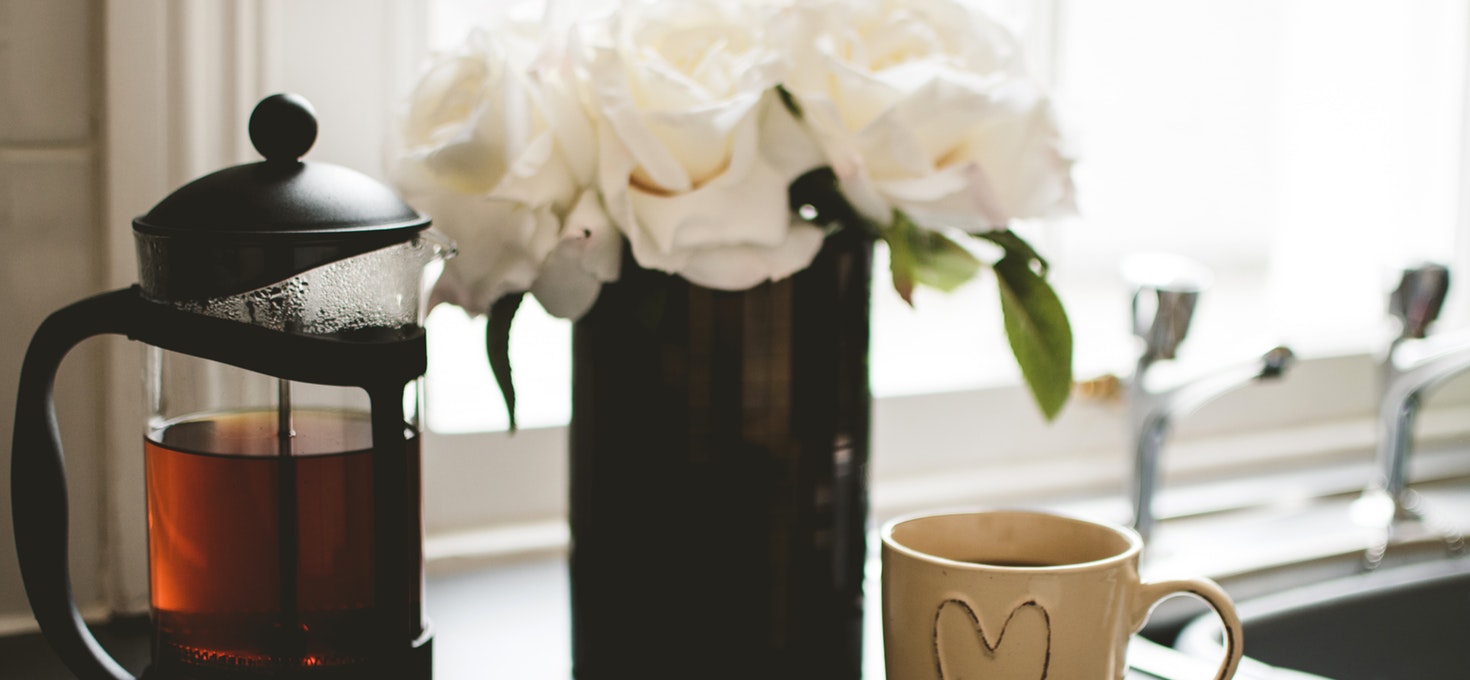 If you are a fan of tea, you've probably brewed tea using many techniques. Brewing tea in a coffee maker, a kettle or even in microwave sound pretty familiar to you? But, how about today we talk about brewing tea in a Teapot? Undoubtedly, it's the most classic way of brewing tea. Not only brewing tea in a teapot is easy, but it gives tea a great taste as well. In this blog, we'll talk about the best teapot materials and steps for brewing tea in a teapot. Enjoy.
Teapot Materials
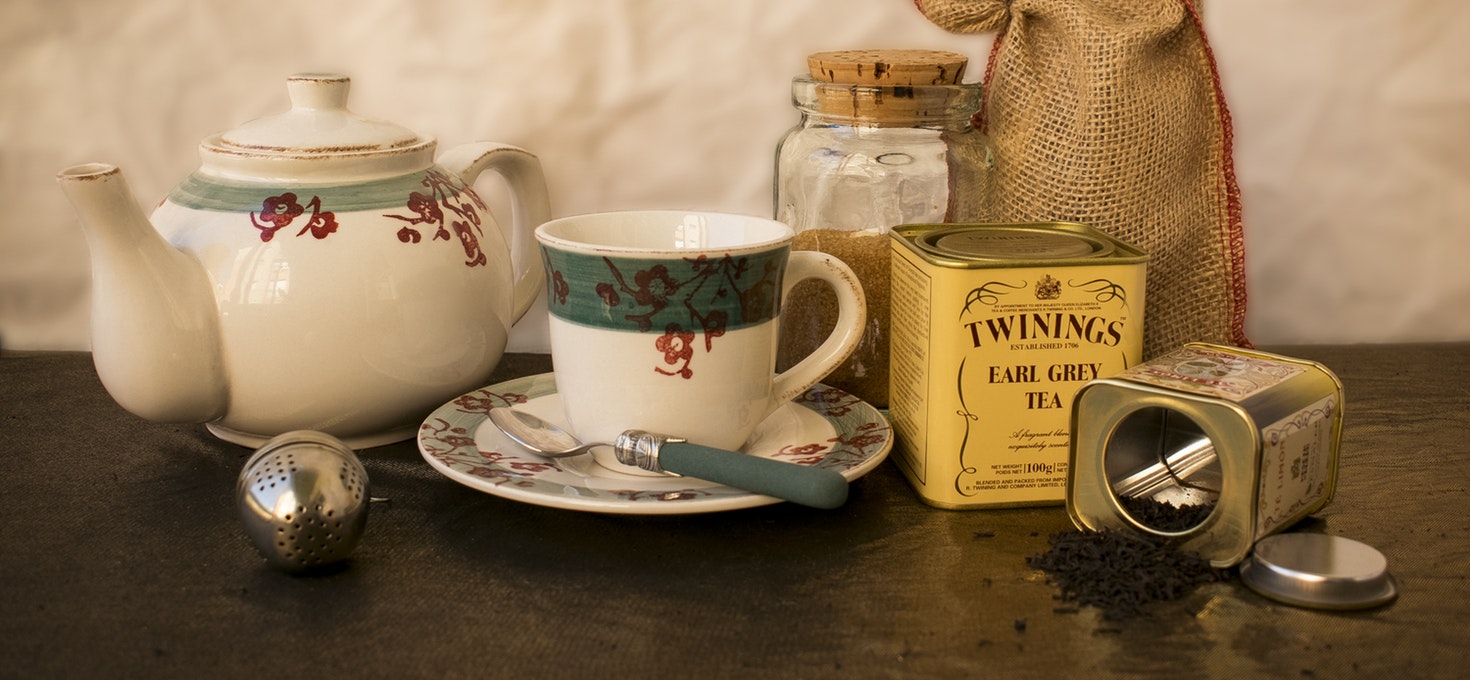 Before we start going over steps for brewing tea, let's first talk about teapots. There are many choices when it comes to teapot materials. Of course, using different teapots impacts on the taste of the tea. So, if you are wondering which one to choose, here is a bit more about a few different kinds of teapots.
Glass
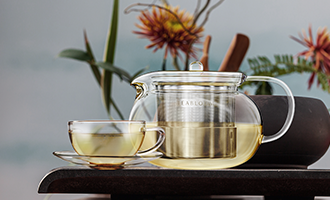
Borosilicate glass is the purest, safest material for both tea kettles and teapots. Borosilicate glass does not release any metals or toxins into your beverage. The best thing about borosilicate glass teapots is that they can withstand very high heat and considered overall safe on gas ranges and electric stovetops. Borosilicate glass is a highly hygienic, non-porous material that does not retain odors, stains and potential pathogens (making it very easy to clean). Plus, they look really attractive and allow you to enjoy the beautiful colors of teas. Furthermore, glass teapots don't ever change the flavor of tea. This is the reason why most of our teaware is made with borosilicate glass.Porcelain
Porcelain teapots are classic. However, ceramic glazes may contain lead, cadmium and other dangerous chemicals. They are most adequate for brewing green and white teas. Most of the time, their walls are quite thinner than those made of ceramic. As a result, they they have low heat transference when compared to some other materials. Furthermore, porcelain teapots can maintain the temperature for quite a long time. If presentation is more important than health, this could be an option for you.Stainless Steel
Stainless steel can release heavy metals into boiling water. Some metal kettles and teapots may look attractive, but it also comes with some very concerning issues. A 2013 study by the NIH showed that cooking with stainless steel leaches nickel and chromium into the liquid. Metals can also alter the flavor of the teas. Not recommended.Brewing Tea in a Teapot - Step 1
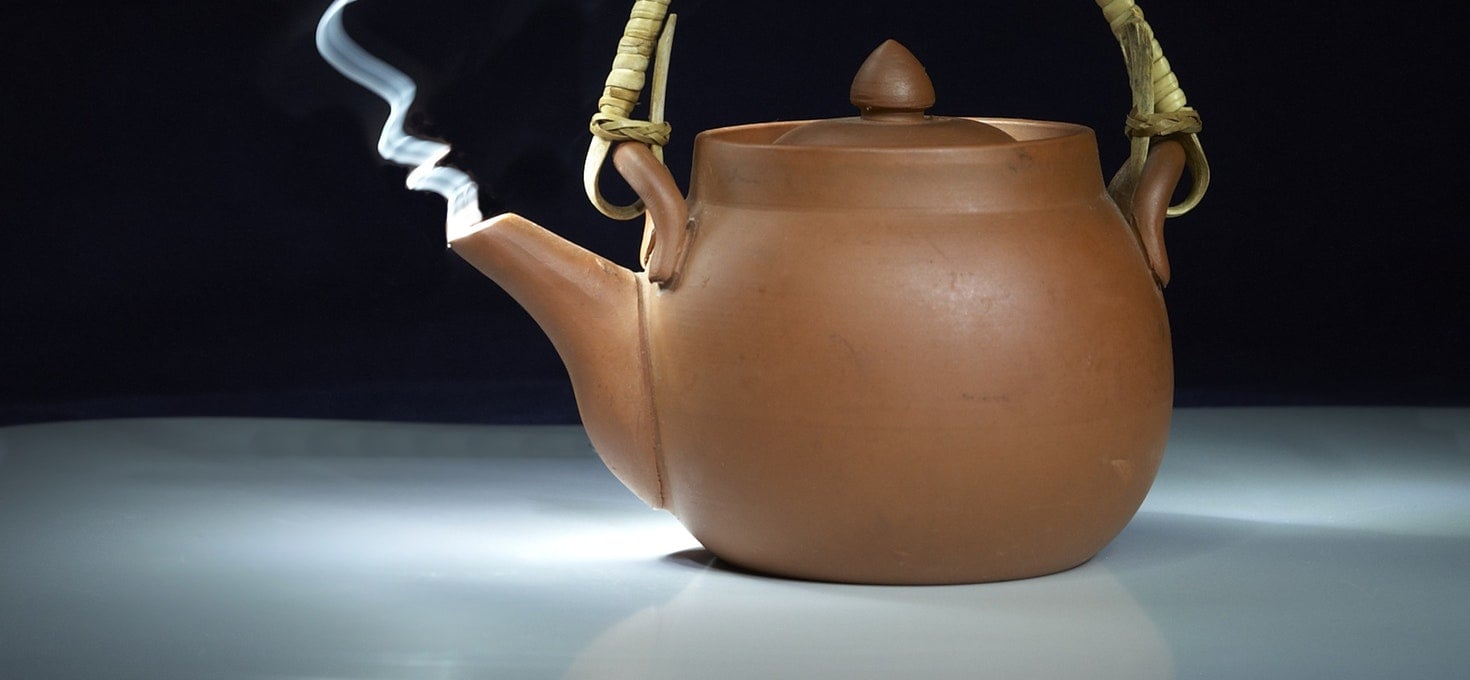 Okay, let's see how it's done. First, you need to fill the kettle with fresh, cold water. Although it may sound a bit strange to add cold instead of warm water, this is how it should be done to get the best taste. We do it this way because hot water looses many of its gasses and leaves the tea tasting flat. So, pour cold water into a kettle and set it to boil.

