













What Makes the Best White Tea So Wonderful?
TEATIME NOTES
Find tips, recipes, and articles to increase your delight and enjoyment of tea.
Search
What Makes the Best White Tea So Wonderful?


How the World Became Rich From Simple White Tea
Why is it that the best white tea feels like a ghost compared to black tea in the Western world? The popularity of black afternoon tea paired with tea cookies and scones is at the forefront of most tea enthusiasts' minds in the West. Iced tea infused with sugar and fruit is a refreshing summer staple in America.
White tea might have been a mystery to most people on this side of the world — but now, tea lovers in the West are starting to embrace the unique flavors and health benefits of this prized and unique tea we have been missing out on.
Today, you’ll explore the history of white tea and how white tea is harvested and made. You’ll discover the health benefits of white tea and why it might be the world’s best tea. Finally, you’ll learn how to make white tea properly, and we’ll give you some suggestions for where to start your white tea journey.
Why is the Best White Tea the Most Prized Tea? — A Short History of White Tea

Green tea was the first tea created and embraced by China. It wasn’t until the Tang Dynasty (618 - 907) or Song Dynasty (960 - 1276) that white tea was discovered.
The preparation of this white tea was much different than how we make the best white tea today. Back then, young tea leaves were plucked and pressed into tea cakes. Pieces of these dried tea leaf cakes were broken off and steeped in stoneware.
White tea became popular during the Song Dynasty. It was so precious that only royalty was allowed to partake of this delicate drink.
One rumor states that this white tea could only be consumed if served by virgins wearing silk gloves — and only as a tribute to the emperor. Another rumor states that the emperor had a special method for harvesting white tea leaves: the tea buds were cut with golden scissors into a golden bowl by the silk-gloved hands of virgins.
White tea was also prepared in a similar fashion to the way matcha is prepared and served today. White tea leaves were ground whole and whisked, and enjoyed until the Ming Dynasty (1368 - 1644). It was ruled that only whole loose-leaf white tea leaves could be steeped and offered as a tribute to honor the emperor.
The Ming Dynasty forever changed the way that white tea was harvested and created. These methods are still used to create the best white tea today.
How is the Best White Tea Made?

You might assume that every kind of tea comes from a different kind of plant — just like different wines and coffees come from different kinds of grapes and beans. But every single kind of green, black, oolong, and white tea is made from the same plant — the Camellia sinensis.
Out of this tea plant, two main varieties are harvested in India and China. In India, the Camellia sinensis assamica is grown in warmer and sunnier climates. This creates a larger leaf with a bold and robust flavor. Most of the world’s black teas are harvested from this plant.
The Camellia sinensis sinensis is the Chinese variety of the same plant. This tea plant grows in mountainous and colder areas. The smaller tea leaves create a more delicate and sweeter kind of tea. About 80% of the world’s green teas are grown in China from this one amazing plant — including the best white tea.
Black, oolong, and green teas go through a variety of complex steps that manipulate the tea leaves. Using techniques like oxidation, rolling, shaping, and locking in flavor using heat, different flavors and kinds of tea are defined.
White tea is handled much less in the production process than other teas. It is handled so little that many kinds of white tea leaves have tiny white hairs all over that remain from the harvest.
The best white tea goes through as few steps as possible in order to embrace the natural characteristics and flavor of the original tea leaf in all its purity. Here is how white tea is made:
1. Plucking the Tea Leaves
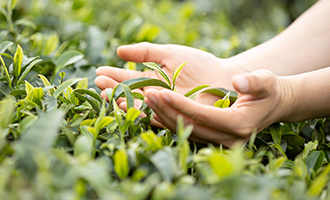
White tea leaves are not harvested in the same way as other tea leaves. There is great care taken when plucking these delicate tea leaves from the long stalks of the Camellia sinensis.
Silver Needle and White Peony tea leaves are usually grown in the Fujian Province and are plucked in the early spring — between the middle of March and the middle of April. Their very young buds are tight, and their leaves are unblemished.
2. Withering the Tea Leaves
The best white teas are not processed nearly as much as green, oolong, and black teas.
After these perfect buds and leaves are plucked from their stalks, they are withered. During this stage of the process, the tea leaves are left out to dry to reduce moisture. This step can be done outside if the weather permits or inside, where humidity and airflow can be better controlled.
Black and oolong teas go through a heavy oxidation process that brings out bold flavors and allows the tea leaves to withstand higher temperatures of water. Green tea is not oxidized at all.
White tea encounters mild oxidation in the withering process. This creates a tea that can ultimately withstand higher temperatures than green tea.
3. Drying the Tea Leaves
When the white tea leaves are done withering, they are dried. The drying stage of the tea-making process locks the flavors and the characteristics of the best white tea into place.
At this stage, the white tea leaves might be shaped slightly, but the tea leaves are treated so that they stay as pure and untouched as possible. The flavor is as close to the natural tea leaf as you can possibly get.
White Tea’s Popularity and Its Health Benefits

The best white teas are the most sought-after among tea connoisseurs. They’re meticulously made from the freshest, youngest, and sweetest tea leaves in the world. They are handled with extreme care and treated in a way that brings out the tea leaves’ most natural and potent flavors.
White tea has an incredible amount of health benefits that are similar to green tea. It’s loaded with antioxidants, elevates dental hygiene, promotes healthy levels of cholesterol, and reduces blood sugar. If you want to enjoy the full flavors and benefits of white tea, drink it on its own.
The most popular types of the best white tea in the world are the Silver Needle and White Peony — when they steep, they create a beautiful, delicate golden tea.
Silver Needle tea is long and uniformly shaped and has a silvery-colored tip at the end of each leaf. Its flavor is sweet, flowery, and woody.
White Peony tea leaves are a beautiful spectacle — each one is made from two whole leaves and one bud. Its flavor is sweet, slightly roasted, and nutty.
How to Make White Tea

To enjoy all the nuanced complexity of white tea, you must prepare it properly. White tea leaves are oxidized slightly, which makes them a little less sensitive than green tea, which isn’t oxidized at all. Because of this, you can steep your white tea leaves in slightly hotter water than green tea.
The best white tea leaves still need to be handled with extreme care. Steeping them in water that’s too hot will scorch the leaves and cause bitter tannins to release into your broth. But steeping your leaves in water that’s too cool will prevent flavor from releasing in the first place, making your tea taste watered down.
The first tip is to always start with fresh, filtered water that hasn’t been boiled and cooled down before — read more about using fresh water in this blog. Green teas might seem like they have a light flavor, but they are quite complex and varied. Always read the instructions on the package in case there are special ways you must handle your tea to get the most flavor out of it.
For the best white tea flavor, you generally want to heat your water between 170°F to 185°F (76°C to 85°C). This very slight increase in temperature compared to green tea will make all the difference in flavor, so please be precise with your water temperature. That being said, some white teas might steep better in much lower temperatures around 140°F, so check the instructions on your packaging.
For every eight ounces of water, use about 1 teaspoon of loose-leaf tea. This measurement is approximate and will vary based on the size of your tea leaves and how strong or light you like your tea flavor.
Steep your tea for no less than three minutes but no more than five minutes. Steeping your tea longer than five minutes can also release bitter tannins into your tea. If you enjoy stronger tea, use more tea leaves.
If you’ve prepared your tea properly, it should be light and reveal multiple layers of flavor. White teas are prized for their sweet nuances and are best enjoyed straight without the addition of milk. Some people enjoy adding lemon, sugar, or a touch of honey to white tea.
5 High Quality White Teas You Can Try
Are you ready to try some of the best white teas? Here are five delicious teas and tea blends that are sure to become staples in your collection.
1. White Silver Needle

White Silver Needle Loose Leaf Tea Canister - $21.95
Sometimes you just want to enjoy the beauty of straight white tea and nothing else. This white silver needle tea is one of the all-time best white teas and has a smooth, nectar-like body that’s naturally sweet with the aroma of light honeysuckle. These are some of the most sought-after downy buds in the world.
2. White Ginger Pear

White Ginger Pear Loose Leaf Tea Canister - $19.95
This delicate white tea blend includes sweet pear pieces and spicy ginger, which is enjoyable both hot and iced. These big, white tea leaves are plucked from the Da Bai tea bushes in a notable region of China. It’s a light tea with notes of citrus and ginger.
3. White Vanilla Nougat

White Vanilla Nougat Loose Leaf Tea Canister - $19.95
This unique tea has the flavor of tropical coconut balanced with the sweetness of vanilla. These are some of the best white tea leaves that come from the famous Fujian province. The leaves are called “White peony” because they resemble peony flower petals.
4. White Pomegranate

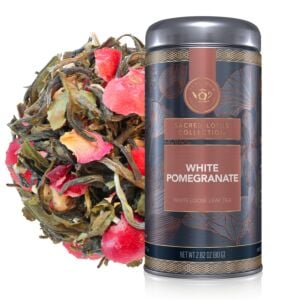
White Pomegranate Loose Leaf Tea Canister - $19.95
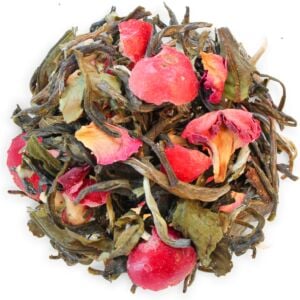
This pomegranate tea is light and floral with a gentle sweetness. Cranberries and rose petals round out the flavor profile and give a visually stunning appearance. This is an antioxidant-rich tea that is enjoyable hot or iced.
5. White Vanilla Apple

White Vanilla Apple Loose Leaf Tea Canister - $19.95
This delicate white apple tea is blended with orange oil and vanilla pieces. Ginger adds a touch of subtle spice while marigold flowers give a dash of vibrant color to the tea leaves. Lemon balm and lemongrass round out the fruity and floral flavor profile for a soothing and refreshing treat.
Find the Best White Teas and Teaware at Teabloom

The tea industry needs a little cleaning up, and Teabloom is on a mission to enlighten and provide the best solutions to tea drinkers all over the world. Their loose-leaf teas feature some of the best white teas and are made with ingredients that are USDA Certified Organic and natural.
Teabloom’s tea sachets are better than biodegradable ones. These tea sachets are 100% compostable. They are also designed with quality in mind.
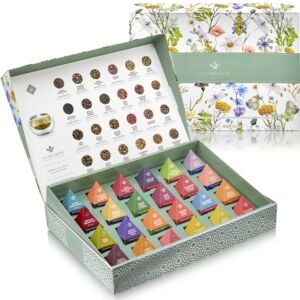
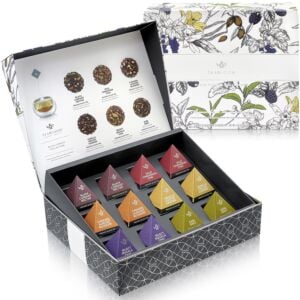
Their pyramid tea sachets are roomy enough for the highest quality loose-leaf teas. Now, you don’t have to settle for bitter flavors and low-quality tea dust in your teabags.
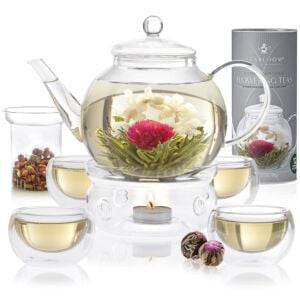
Teabloom is known for its enormous selection of borosilicate glass teaware. Do you drink tea from porcelain or stoneware teapots and teacups? If you do, did you know that you are most likely drinking toxic tea?
Teabloom wants to help people live longer and healthier lives. They want you to enjoy the real, pure flavor of your teas — not tea infused with cadmium and lead.
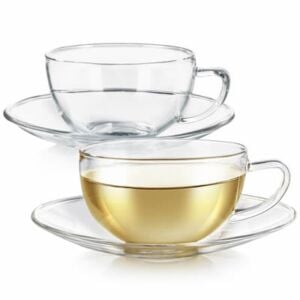
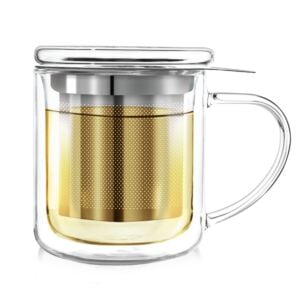
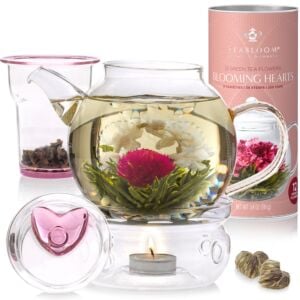
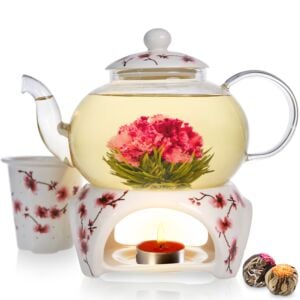
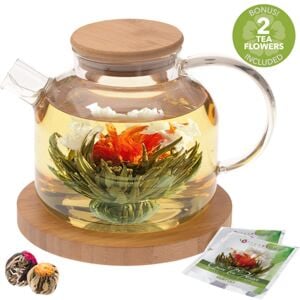
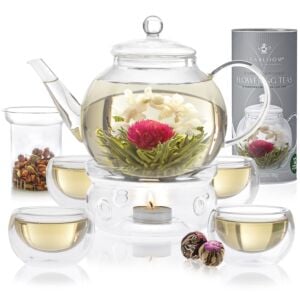
Borosilicate glass teacups and teapots are the strong, long-lasting, easy-to-clean alternative for all of your traditional teaware. Borosilicate glass makes your tea taste better than you’ve ever tasted.
Take a look at all the alternative and environmentally-friendly teaware and the best white teas that Teabloom has to offer. Start your new clean tea routine today!


Share your thoughts