








Fundamentals You Need to Know About the Best Oolong Tea
TEATIME NOTES
Find tips, recipes, and articles to increase your delight and enjoyment of tea.
Search
Fundamentals You Need to Know About the Best Oolong Tea


The Unsurpassed Health and Rich Flavor of Beautiful Oolong Tea
The best oolong tea is the perfect combination of black tea and green tea.
Do you love the strong, deep flavor of black tea? How about the earthy-sweet tones of green tea? If you like both of them, you will love oolong teas.
Oolongs are some of the most prized and cherished teas in the world — and for good reasons. Oolong teas are complex in flavor and some of the most sought-after teas for their harvesting practices. They are like little works of art that combine the best characteristics of black and green tea.
In today’s blog, you’ll learn the history of oolong tea and where it comes from. You’ll discover how the best oolong tea is made and all the special additional steps it takes to transform these large tea leaves into little “black dragons”. Finally, you’ll learn about the health benefits of oolong tea, how to make it, and we’ll give you some of our favorite varieties of oolong tea you can try today.
What Is an Oolong Tea? — A Quick History of Oolong Tea

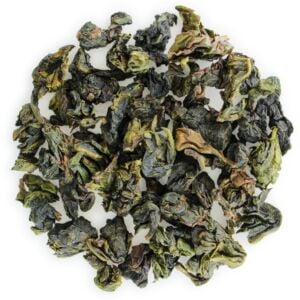
Oolong — or wu-lung — is a tea that was invented in China. These two words mean “black dragon” or “dark dragon”. Because oolong tea is oxidized, it’s dark in color. The leaves of oolong tea are twisted and warped so that they resemble the shape of a black dragon.
The ancient history of the invention of the best oolong tea is shrouded in myth and legend. But we do know that the practice of semi-oxidizing tea leaves didn’t come into full practice until the Ming Dynasty (1368-1644).
Oolong teas became popular during the Qing Dynasty. It was during this time that the oolong tea named Ti Quan Yin — the Iron Goddess of Mercy — inspired Emperor Qian Lung with its incredible beauty. Oolong tea became a popular and sought-after treasure.
By the mid-1900s, oolong tea became such a widespread and loved tea that Taiwan began harvesting it alongside China. Oolong tea can be created from any tea leaf, ranging from Japan to India to Nepal. But the most prized and the best oolong teas come out of the Fujian and Anxi areas of China and Taiwan.
How is the Best Oolong Tea Made?

Did you know that every single kind of tea that you drink — white, green, oolong, and black — is made from the same plant? Unlike coffee beans and wine grapes that come in different varieties and flavors, tea is harvested from one single plant.
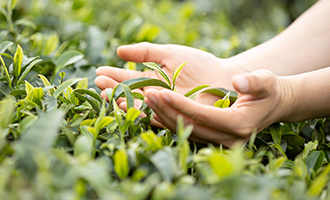
The Camellia sinensis is a long, tall plant that grows many pairs of leaves up and down the stalk. On top are a bud and two little tea leaves. These two leaves and a bud are plucked and harvested to make almost every kind of tea imaginable.
Once tea leaves are plucked, they are handled with great care. Different techniques create a wide range of flavors and characteristics. Bruising tea leaves and roasting them creates a completely different flavor than rolling, steaming, and shaping leaves.
The best oolong teas are the most complex to create of the four main tea groups. There are a plethora of variations to creating different kinds of oolong teas within the oolong family as well. The possibilities and flavor profiles for oolong teas are bountiful, and there is something for everyone to enjoy.
Here are the basic steps for creating oolong tea:
1. Pluck the Tea Leaves
Oolong tea leaves need to be strong to withstand the many steps it takes to create them. For this reason, larger and more mature tea leaves are plucked from the plant stalks.
The best oolong teas are harvested later in the tea season when the plants are older, around late April to early May. They can be plucked and harvested in lower elevations and warmer weather up to 6 times a year. They can also be harvested and plucked in higher elevations and colder weather up to 2 or 3 times a year.
2. Wither and Semi-Oxidize the Tea Leaves
When the leaves are plucked from the stalks, they undergo a withering process. In this step, the leaves are laid out to dry in the sun or indoors. During this phase, the leaves can lose up to 30% of their moisture.
The tea leaves will also go through a semi-oxidation phase, where deeper flavors will start to develop. If leaves are left outside, the characteristics of the land might also have an effect on the flavor of the leaves. Withering and wilting the tea leaves allows the leaves to become more flexible so they can prepare for the next step.
3. Roll and Shape the Tea Leaves
When the leaves are done withering, they are rolled using a variety of methods based on the kind of oolong tea that’s being created. The best oolong tea leaves are rolled by hand, and they can be rolled and tossed in bamboo baskets. They can even be tightly rolled in a cloth and fired and unrolled and fired multiple times again to create Tie Guan Yin — or Ti Kuan Yin — oolong tea.
Rolling the tea leaves helps break them down and releases oils that help enhance the oxidation process. After the leaves are rolled, they may be shaped by hand or with tools or machines.
4. Oxidize the Tea Leaves

Oxidation takes place when the tea leaves come into contact with oxygen, which changes the chemical balance of the leaves. The tea leaves will start to turn brown, and the longer they are left out, the darker they will become.
Green teas and white teas are hardly oxidized. Black tea is fully oxidized. The best oolong tea is partially oxidized, anywhere from 1% to 99%.
Oolong tea is partially oxidized most of the time. The more it is oxidized, the heavier and bolder the flavor of the tea will become. The less it is oxidized, the more earthy and delicate the tea flavor will be.
5. Heat or Roast the Tea Leaves
Heating or roasting the tea leaves stops the oxidation process and locks in the flavor of the tea leaves. This can be a long process that has tea makers working far into the night. Different kinds of heating and roasting techniques, and temperatures will add various depths of flavor to the oxidized tea leaves.
Dry heating practices are used for green teas in China. Wet heating techniques are used more in Japan for green teas. Unique characteristics are continually developed by roasting the best oolong teas in different ways.
6. Bake or Dry the Tea Leaves
This is an optional step for certain kinds of oolong teas. Traditionally, the tea leaves are baked in bamboo baskets while being tossed over wood or charcoal. Baking the leaves in this way adds an even more complex flavor to this incredible and unique tea.
The tea leaves are also shaped to resemble characteristic little black dragons for which they are named.
7. Age the Tea Leaves
Another optional final step in creating the best oolong teas is to age them. This aging process is different than that of pu-erh teas, which go through a fermentation process.
Oolong teas that are aged are stored in a large container where they can breathe over a long period of time. Every few years, the teas can be baked in order to evaporate the moisture that has developed during storage. Baking the tea will also increase the depth of flavor in the oolong leaves and sustain the quality of the tea.
The Health Benefits of Oolong Tea

The wonderful thing about the best oolong tea is that you may reap the health benefits of black tea and the health benefits of green tea. Some of these tea health benefits are specific to the unoxidized properties of green tea, while others are specific to the oxidized properties of black tea. With oolong, you may get the best of both worlds.
Oolong tea might help reduce the growth of certain kinds of bacteria and even help with bad breath. This tea might help your teeth and oral health, but it may also help improve your bone mineral density thanks to chemical compounds called flavonoids.
Because black tea might help kill bad gut bacteria, oolong tea may also have these properties. The best oolong tea might also help grow your good gut bacteria and promote the health of your gut microbiome. So much of your immune system lives in your gut, and hosting a good level of good bacteria is crucial for overall health and wellness.
The caffeine levels of oolong tea fall somewhere in between most black and green teas. You might find yourself switching out your daily coffee for a cup or two of this robust tea, instead. You get all the energy from caffeine, but without the crash you experience from coffee, thanks to L-theanine — a calming amino acid found in tea.
Another wonderful benefit you might get from the best oolong tea is that it may help improve your eczema when drinking alongside normal therapeutic routines. In this study, these benefits were seen after only 1 to 2 weeks!
Black tea may help reduce blood sugar levels. Green tea might also help with type 2 diabetes because of its anti-diabetic effect. And one study even resulted in oolong tea helping suppress obesity.
Many studies focus on the effects of tea on cancer, including one that shows oolong tea may help reduce the likelihood of getting cancer. Other studies around green tea show it may be chemoprotective and slow down the growth of certain kinds of cancer cells. Other studies on black tea show the promise of breaking down the protective membrane of cancer cells so they aren’t as resistant to treatments.
How to Make the Best Oolong Tea

If you want to relish in all of the complex flavors and health benefits of the best oolong tea, you must prepare it properly. Most oolong teas fall between black and green, which means you must steep your leaves at the correct temperature. Water that’s too hot will scorch and burn the green part of the tea leaf, and water that’s too cool will prevent the black part of the tea leaf from steeping at all.
The directions here apply to most oolong teas. But it’s always best practice to read the label on your tea. Some oolongs might require hotter or cooler water temperatures, depending on whether they lean more toward a delicate green or a strong black tea.
Your first step is to always start with fresh, filtered water that hasn’t been boiled and cooled down. Starting with non-boiled water may help elevate the flavor of your tea. You can read more about using fresh water for your tea in this blog.
For the best oolong tea flavor, you usually want to heat your water to about 195°F (90.5°C), which is just below boiling temperatures. For every 8 ounces of water, you can use about 1 teaspoon of tea. You may add more or fewer tea leaves based on how strong you like your tea flavor.
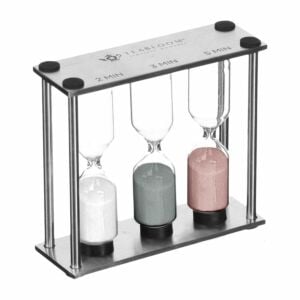
If your oolong tea is green-tea-heavy, you may want to steep it for 2-3 minutes. If your oolong tea is black-tea-heavy, you may want to steep it between 3-5 minutes. Never steep your tea longer than 5 minutes.
If you enjoy a stronger tea, do not steep your tea longer. Steeping it too much can release bitter flavors into your tea. Instead, add more tea leaves if you want a more robust flavor.
Most oolong teas are made to be enjoyed for multiple steeps. To do this, simply set aside your drained tea leaves and steep another cup of tea soon after the first. Some of the best oolong teas can be steeped up to 4 times, and many connoisseurs claim the 2nd or 3rd cup is the best for most oolongs.
5 Amazing Oolong Teas You’ll Love
If you’re excited to try some of the best oolong teas, we have a list of 5 of our favorites. Some of these carry a rich history, and some are renowned for their unique growing and harvesting methods. All of them have distinct flavor profiles that will make you a fan of oolong teas if you aren’t already!
1. Milky Oolong

Milky Oolong Loose Leaf Tea Canister - $19.95
This is one of the best oolong teas made from some of the world’s highest-quality tea leaves in the Fujian province. The silky smooth mouthfeel and complex taste are milky with a taste of floral notes. The leaves are lightly roasted for a fragrance that is reminiscent of sweet cream and pineapples.
You can enjoy this tea for multiple steeps. After you’re finished steeping your first cup, put your drained tea leaves to the side and save them for another cup. You can steep this oolong anywhere from 2 to 4 times.
2. Jade Oolong

Jade Oolong Loose Leaf Tea Canister - $20.95
This exquisite jade oolong tea has a smooth mouthfeel and a green floral aroma. The sweet flavor has a clean and crisp finish. This oolong is grown in the high-elevation mountains of the Fujian province.
These rare tea leaves are harvested in early spring. The result is a delicate flavor that is also sweeter than other oolongs. Jade gives this gorgeous tea its signature green floral aroma. This is one of the best oolong teas that leans toward the greener side.
3. Tie Guan Yin

Tie Guan Yin Loose Leaf Tea Canister - $19.95
The sweet orchid aroma of this oolong tea is accompanied by a beautiful and buttery mouthfeel. It’s an exceptionally complex oolong with a layer that’s fermented on the outside and green on the inside.
The large and mature tea leaves of the best oolong tea are harvested in the famous Wuyi Mountains. They are immediately dried in the sunshine. This tea is known for its sweet orchid notes that linger on your palate.
4. Big Red Robe

Big Red Robe Loose Leaf Tea Canister - $19.95
The captivating aroma and the rich flavor are what this tea is known for, which makes it one of the best oolong teas. Floral and fruity notes work in harmony with an underlying sweetness that lingers in your mouth. There’s a roasted floral quality to this tea and a velvety texture that’s smooth and delightful.
Big Red Robe is also called Da Hong Pao. Legend has it that a scholar helped the emperor cure his illness with this tea. The emperor’s red robe was draped over these tea bushes and given as a sign of gratitude for the emperor’s recovery.
5. White Tip Oolong
White Tip Oolong Loose Leaf Tea Canister - $19.95
This is highly prized and one of the best oolong teas — in fact, one of the most sought-after throughout the world. It has a beautiful floral and peach-pit fragrance that lingers on your palate long after you drink it. This tea has a delicate spicy undertone that lends warmth to the flavor.
The oxidation levels are a little higher than other oolongs, so it leans more into the black tea territory with a balance of green tea. Leafhoppers bite the tea leaves as they grow, which activates the oxidation process early. People believe that this brings out the muscat and honey-like flavors and the unique color with its reddish-brown leaves and white tips.
Where to Find the Best Oolong Tea

There is one tea company that’s on a mission to spread health and wellness to all tea lovers. Teabloom is doing its part to clean up the international tea industry with quality small-batch teas and sustainable teaware.
Teabloom’s oolong teas are USDA Certified Organic, Kosher Certified, and made with the finest and freshest natural ingredients.
Their teabags are environmentally friendly. They are better than biodegradable teabags. Their pyramid tea sachets are 100% compostable, and they are large enough to hold the finest high-quality tea leaves. This means you will never have to compromise the flavor of good, whole organic tea leaves for the convenience of dust-filled teabags ever again.
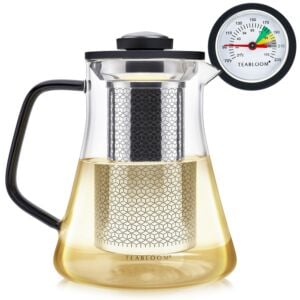
Teabloom wants the world to know about the incredible health and environmental benefits of borosilicate glass teaware. Most people are not aware that their adorable porcelain teacups and teapots leach lead and other toxins into their tea.
Borosilicate glass is easy to clean, long-lasting, and very strong. Not only does borosilicate glass promote a healthier, toxic-free lifestyle, but it also makes tea taste as if you’ve never tasted it before — clean, pure, and full of only the best and greatest flavors.
Find the best oolong tea and sustainable teaware at Teabloom.

Share your thoughts